The 1917 Wheat Penny That Keeps Appearing at Auctions
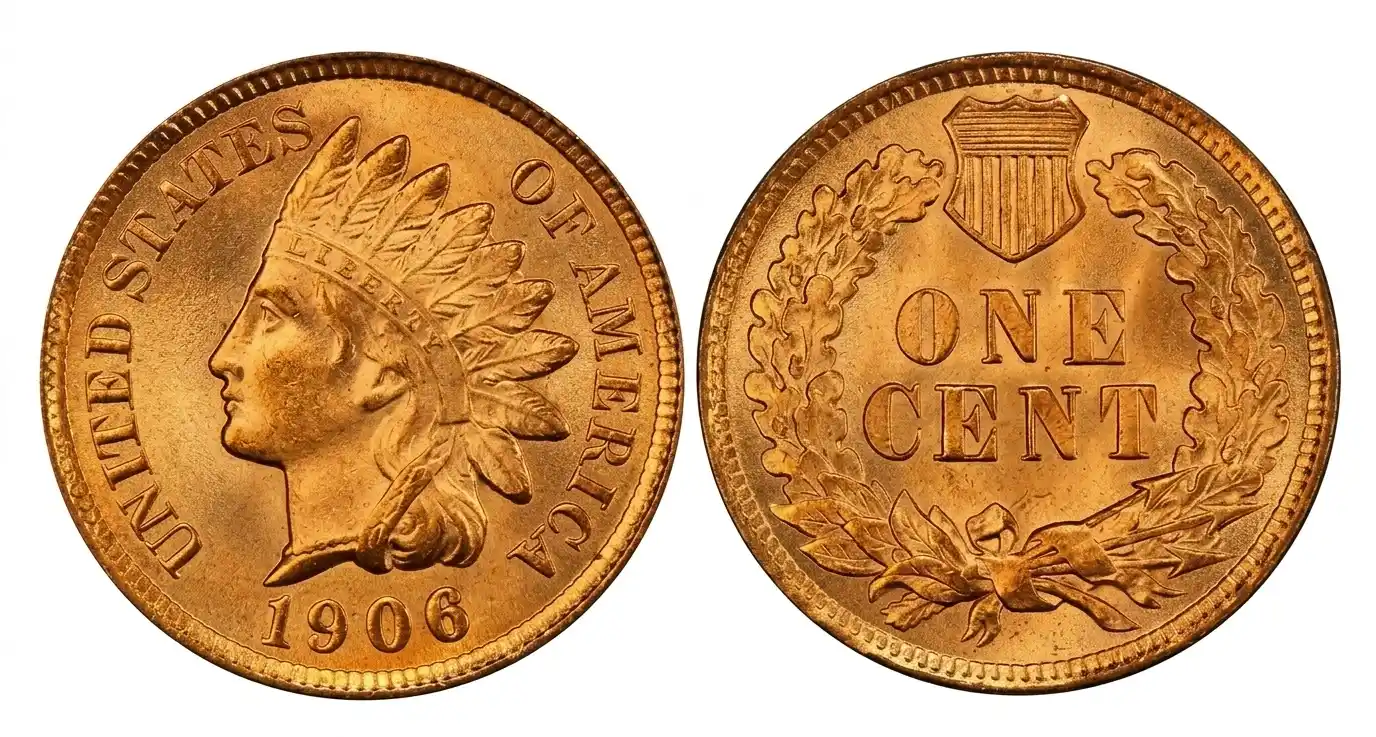
High-grade survivors remain highly competitive among Lincoln cent collectors.
Significant historical value characterizes this specific issue, attracting investors globally.
Multiple auction records confirm persistent demand for pristine samples.
Industrial production data helps reveal core factors affecting the market 1917 Wheat Penny Value.
Coin Parameter | Technical Data |
Mass | 3.11 grams |
Diameter | 19.05 millimeters |
Edge thickness | 1.55 millimeters |
Alloy Composition | Copper 95%, Tin 3%, Zinc 2% |
Edge type | Plain |
Three distinct mint facilities managed the production processes during this period.
Philadelphia output reached 196426700 pieces.
Denver production accounted for 55480000 pieces.
San Francisco facility operations resulted in 9520000 pieces.
Mintage variance directly defines scarcity for each specific mint.
Coins displaying D or S mintmarks carry higher valuations when comparing equivalent conditions.
Preservation Grading Hierarchy
Sheldon scale methodology provides 70 distinct levels for professional assessment.
Final appraisal hinges entirely on preservation status.
Grading Range MS60 to MS63
Minimal preservation level for investment-grade coinage exists here.
Circulation marks or micro-scratches inevitably decrease market price.
Grading Range MS64 to MS65
Mid-level preservation status requires mandatory independent certification.
Shiny surfaces retaining significant original mint luster define these pieces.
Grading Range MS66 to MS68
Highest preservation level guarantees maximum auction results.
Absent defects make these specimens stand out during competitive bidding.
Auction Price Analysis from 2024 to 2026
Price performance shows growth trends for top-quality pieces.
Philadelphia pieces without mintmarks:
2024 value: $15
2025 value: $18
2026 value: $22
Pieces displaying the D mintmark:
2024 value: $85
2025 value: $110
2026 value: $145
Pieces displaying the S mintmark:
2024 value: $120
2025 value: $160
2026 value: $210
Persistent price increases reflect investor interest regarding rare dates.
Production Error Variations
Manufacturing defects transform ordinary cents into unique numismatic assets.
Double Die Obverse
Lincoln portrait duplication results from imprecise die strikes.
Doubling remains highly visible on the word LIBERTY or the date area.
Value for this rare variety:
2024 price: $1500
2025 price: $1900
2026 price: $2400
Authenticity verification requires mandatory expert assessment.
Off Centre Strike
Planchet misalignment causes incomplete design imagery.
Value depends entirely on the percentage of the visible design gap.
10% misalignment:
2024 price: $45
2025 price: $55
2026 price: $70
50% misalignment:
2024 price: $250
2025 price: $320
2026 price: $400
Professional Certification Procedures
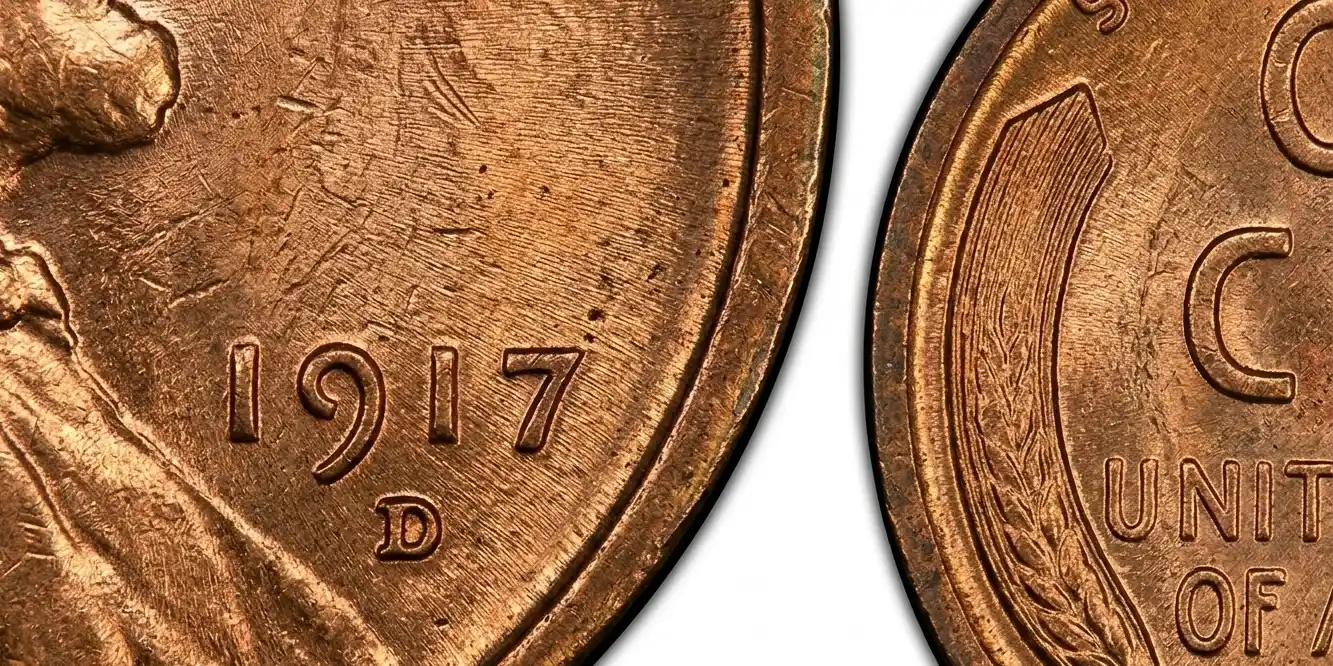
Expertise involves several sequential assessment steps for metal quality.
Assessment steps:
Alloy composition verification
Relief wear analysis under a coin value checker
Sheldon scale point assignment
Encapsulation within protective holders
Certified coinage sells faster, providing high capital liquidity.
Certification costs require comparison against the potential market price of the object.
High-precision equipment reveals restoration traces for experienced appraisers.
Safe Storage Methods
Proper storage prevents oxidation on copper surfaces.
Storage risks:
Damp air contact
Corrosion spot development
Mechanical friction
Inert individual capsules ensure long-term preservation.
Materials containing polyvinyl chloride remain undesirable for long-term holding.
Storage in dark environments minimizes ultraviolet light impact regarding patina formation.
Investment Appeal Dynamics
Statistics show consistent returns for wheat cents over long periods.
Market value change data:
Quality Category | Annual Growth |
MS63 Philadelphia | 8% |
MS65 Philadelphia | 12% |
MS66 Denver | 18% |
MS66 San Francisco | 22% |
Investment capital placed in top-grade coins demonstrates stability.
Circulated common coins fail to hold investment potential.
Accumulating rare dates requires significant time allocation.
Mistakes During Rare Coin Searching
Beginner collectors often commit errors while sorting material.
Common mistakes:
Household chemical cleaning
Unstructured sorting approaches
Inaccurate preservation assessment
Surface cleaning leads to permanent market price loss.
Attempting luster restoration using abrasive tools destroys numismatic value.
Practical Search Tips for Circulation
Systematic searching requires specific tools.
Action sequence:
Free Coin Apps usage
Mintmark verification
Field condition analysis
Searching within sealed bank rolls increases success chances.
Consistency leads to discovering valuable specimens.